

In this Power Systems Technology article, DRG employees share their role in building the foundation for smarter grid operations through engineering accuracy, post-construction verification and continuously validating asset intelligence.
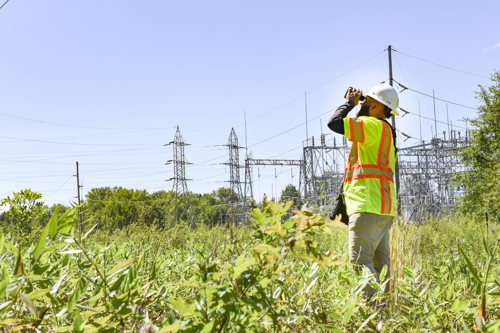
Electric transmission infrastructure is entering a period of unprecedented complexity. Aging assets, increasing electrical demand, renewable energy integration, wildfire mitigation requirements, and heightened regulatory scrutiny are forcing utilities to rethink how they manage transmission systems. At the same time, these assets are expected to remain in service for decades, even as operating conditions and the information surrounding them continue to change.
Historically, transmission assets have been managed through a combination of engineering drawings, Geographic Information System (GIS) records, maintenance logs, project closeout packages, field inspections, and the institutional knowledge of experienced personnel. Each source can be useful, but together they often leave a fragmented picture. Engineering drawings become outdated after construction. Asset records reside in separate platforms. Repairs, material substitutions, vegetation encroachments, and field modifications may be documented inconsistently. Utilities can discover the gap between what the records say and what exists in the field only after a new project begins or an operational issue occurs.
Digital twins offer a way to close that gap. In the transmission context, a digital twin is far more than a 3D visualization or digital archive. It is a continuously validated representation of a physical asset that connects engineering design data, geospatial information, field verification, operational conditions, and lifecycle maintenance records. Properly implemented, it becomes a trusted decision-support environment for engineering, operations, maintenance, compliance, and capital planning.
The central idea is simple: the value of a digital twin does not come from creating a digital copy. It comes from aligning teams around a verified understanding of the asset. That journey begins with design intent, is tested against construction reality, and becomes materially more valuable once post-construction verification establishes a defensible baseline for the years ahead.
To continue reading, view the full article here.


The Davey Tree Expert Company provides research-driven tree services, grounds maintenance and environmental and utility infrastructure consulting for residential, utility, commercial and environmental partners in the U.S. and Canada. Established in 1880 and headquartered in Kent, Ohio, Davey has over 12,000 employees who create and deliver sustainable solutions. Davey continues to grow through expertise with the SEED Campus, its newest commitment to training, research and safety. Become part of the Davey legacy by applying today and join one of the top ten largest employee-owned companies in the U.S.
Other News Posts

Why Are My Tree Leaves Turning Brown in Denver?


