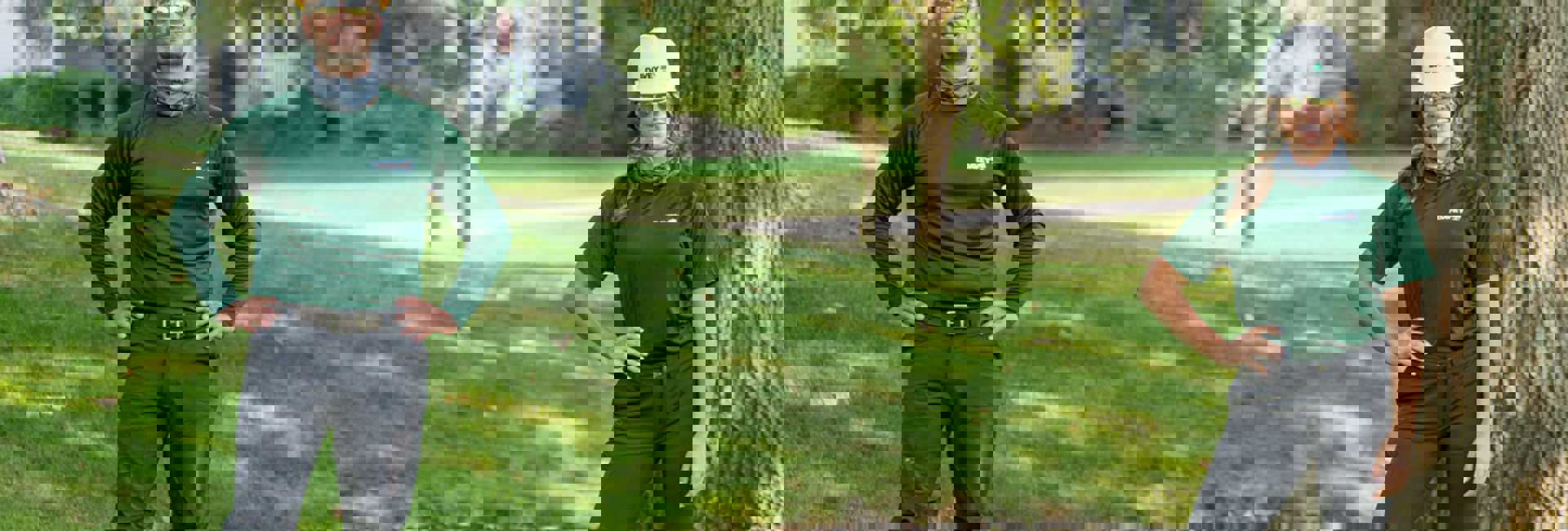

In this Palo Alto article, George Reno from Davey's Menlo Park office talks about what the signs of drought stress are in trees and how to act quickly to prevent more damage.
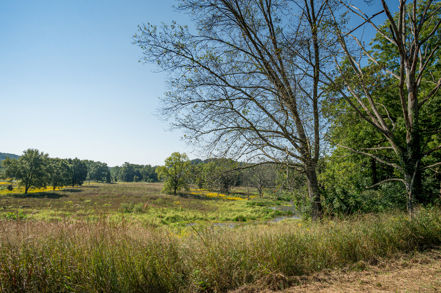 California’s drought state of emergency may have officially ended in San Mateo and Santa Clara counties at the end of 2024 following two wet winters that led to improved water conditions, but trees in the area are still reeling from the long-term effects of past back-to-back dry years when the area experienced below-average rainfall.
Signs of Stress
Even though reservoir levels may look better, trees don’t recover from drought overnight. Their stress builds over time, especially in urban areas where soil compaction, “heat islands” (areas that absorb and retain more heat than natural landscapes) and limited root space compound the effects.
Trees that didn’t receive enough deep water over the past few years are now showing symptoms of stress, including browning leaf crowns, premature leaf drop, sparse canopies and branch dieback.
To continue reading this tree column, click here.
For more information, contact the Menlo Park office.


The Davey Tree Expert Company provides research-driven tree services, grounds maintenance and environmental and utility infrastructure consulting for residential, utility, commercial and environmental partners in the U.S. and Canada. Established in 1880 and headquartered in Kent, Ohio, Davey has over 12,000 employees who create and deliver sustainable solutions. Davey continues to grow through expertise with the SEED Campus, its newest commitment to training, research and safety. Become part of the Davey legacy by applying today and join one of the top ten largest employee-owned companies in the U.S.
Other News Posts

What to Do After a Texas Storm Blows Through Your Yard