

In this The Golf Almanac article, Gregory Elliffe from Davey's Stamford office says cracks in bark, fungal growth and increased tree lean may indicate hidden decay and warrant a professional inspection.
Whether you're managing a tree-lined fairways of a golf course of the shade trees in your own yard, you've probably noticed those trees do more than look beautiful - they provide shade for players between holes, frame sightlines on a course, and add real value to your home. But a tree in decline doesn't always announce itself. By the time a limb crashes onto a cart path or a trunk splits over a patio, the warning signs were often there for months, even years.
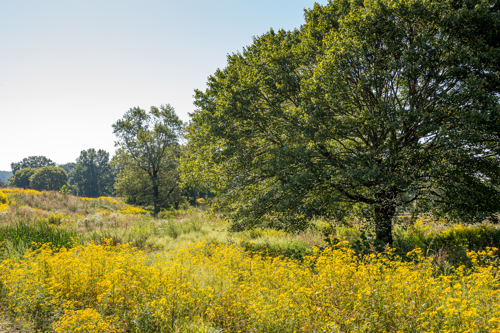 Here are the three telltale places to look for warning signs:
Start by Looking Up: The crown of a tree is often the first place trouble shows up. Look for dead or bare branches scattered through an otherwise full canopy, thinning foliage, or leaves that are undersized, discolored, or dropping earlier than neighboring trees of the same species.
To continue reading this article, click here.
For more information, contact the Stamford office.
More from Gregory Elliffe:


The Davey Tree Expert Company provides research-driven tree services, grounds maintenance and environmental and utility infrastructure consulting for residential, utility, commercial and environmental partners in the U.S. and Canada. Established in 1880 and headquartered in Kent, Ohio, Davey has over 12,000 employees who create and deliver sustainable solutions. Davey continues to grow through expertise with the SEED Campus, its newest commitment to training, research and safety. Become part of the Davey legacy by applying today and join one of the top ten largest employee-owned companies in the U.S.
Other News Posts

A Super El Niño is Underway: How Will It Impact Ontario's Fall Colors?


