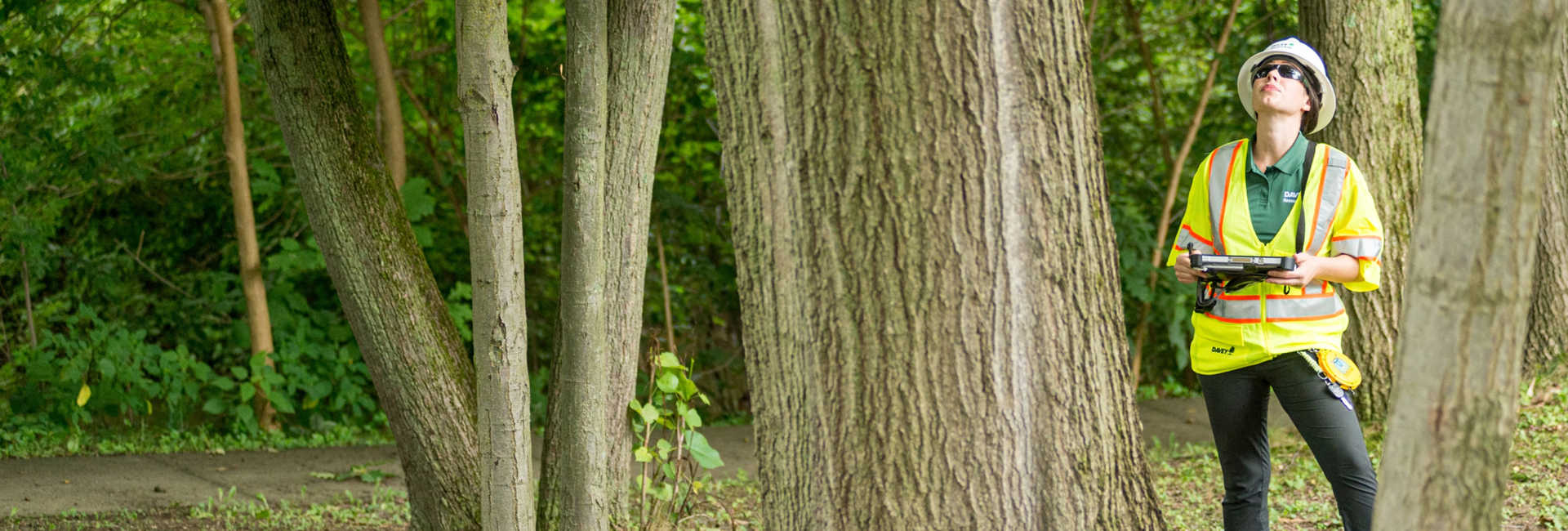

Davey Resource Group turns urban forestry data into strategies that create real impact. Using GIS analysis, line-of-sight methodologies, and expertise in policy, equity, and community planning, we create visual maps showing where trees and green spaces will matter most. Our approach helps communities prioritize planting, allocate resources efficiently, and apply the 3-30-300 guideline to improve canopy coverage, park accessibility, and residents’ connection to nature.
Equitable access to trees and green spaces is key to healthier, more resilient communities. The 3-30-300 guideline turns this principle into clear targets:
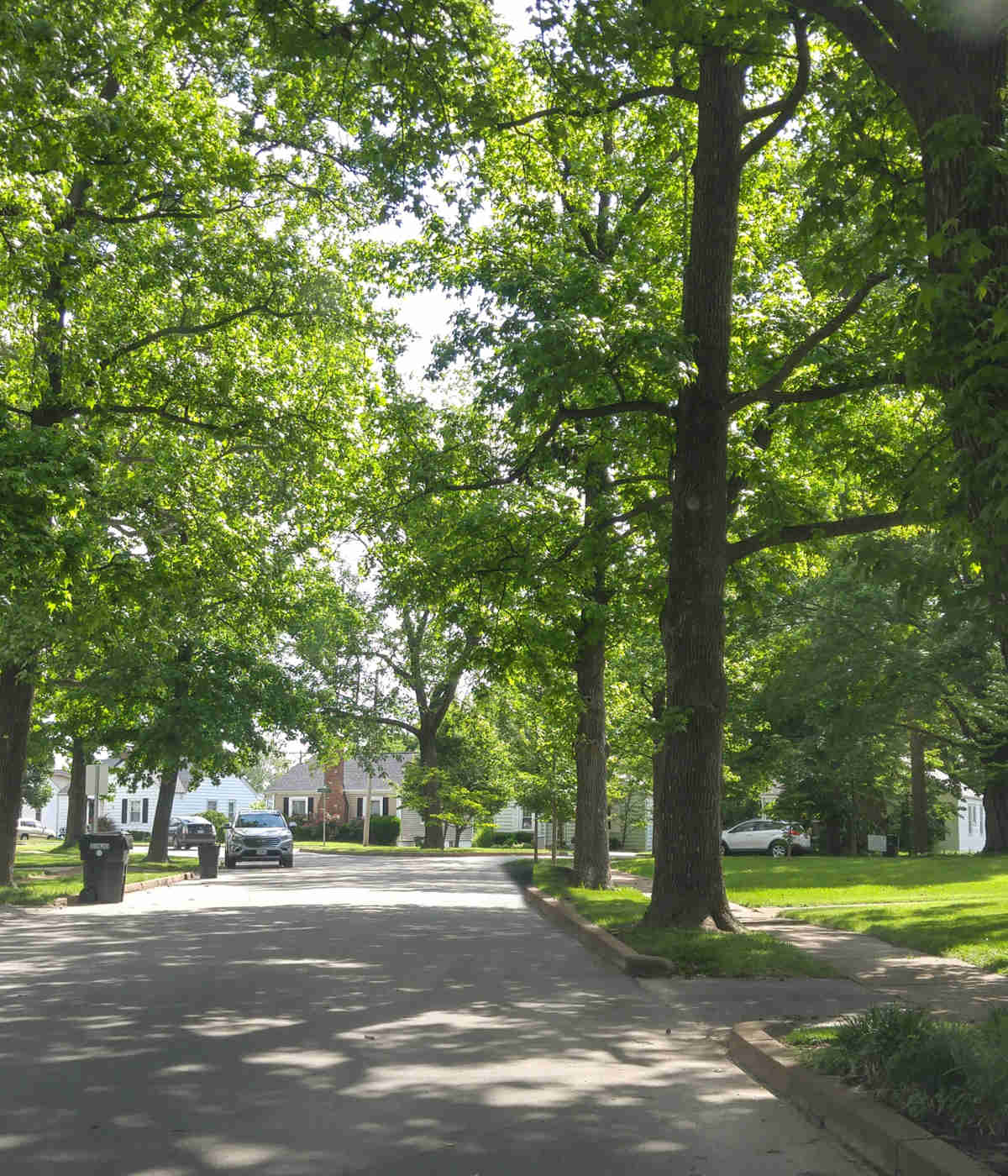
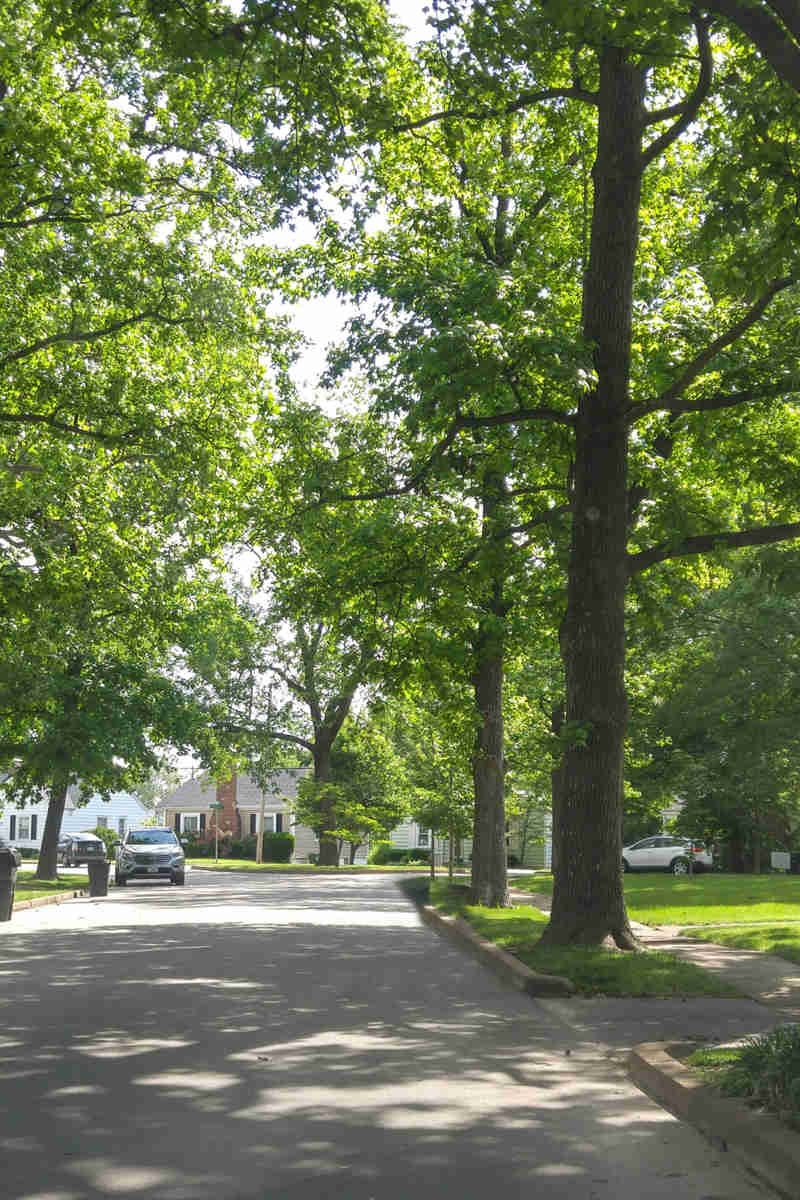
- 3 Trees – Every resident should see at least three trees from home
- 30% Canopy Cover – Every resident should live in a locality with at least 30% tree canopy coverage
- 300 Meters – Every resident should live within 300 meters (≈985 feet) of a high-quality green space
Proposed by Dr. Cecil Konijnendijk, co-founder of the Nature Based Solutions Institute in the Netherlands, 3-30-300 provides a practical framework for understanding and planning urban greenery. Applied effectively, it enhances residents’ well-being, supports biodiversity, and strengthens climate resilience. It also allows communities to map tree and green space coverage, highlighting areas of strong access and those that could benefit from improvement.
While it may not fit every community perfectly, the guideline provides a strong foundation for strengthening green infrastructure. Davey Resource Group applies this concept through GIS-based Insight Reports, helping communities turn data into targeted planting strategies and investments that deliver real impact.