
Before Spring Arrives
Spring storms bring high winds, heavy rain, and sometimes even late snow and ice events that saturate soil and put commercial landscapes at risk.
Fallen trees, drainage failures, property damage, safety liabilities, and unplanned expenses can take a toll on a commercial property manager’s time and budget, but proactive landscape planning can help mitigate unexpected losses or costs from spring storms.
Read on to learn how to assess risks, prioritize landscape improvements, and prepare landscapes before storm season hits.
Assessing Storm Risk Across Your Commercial Property
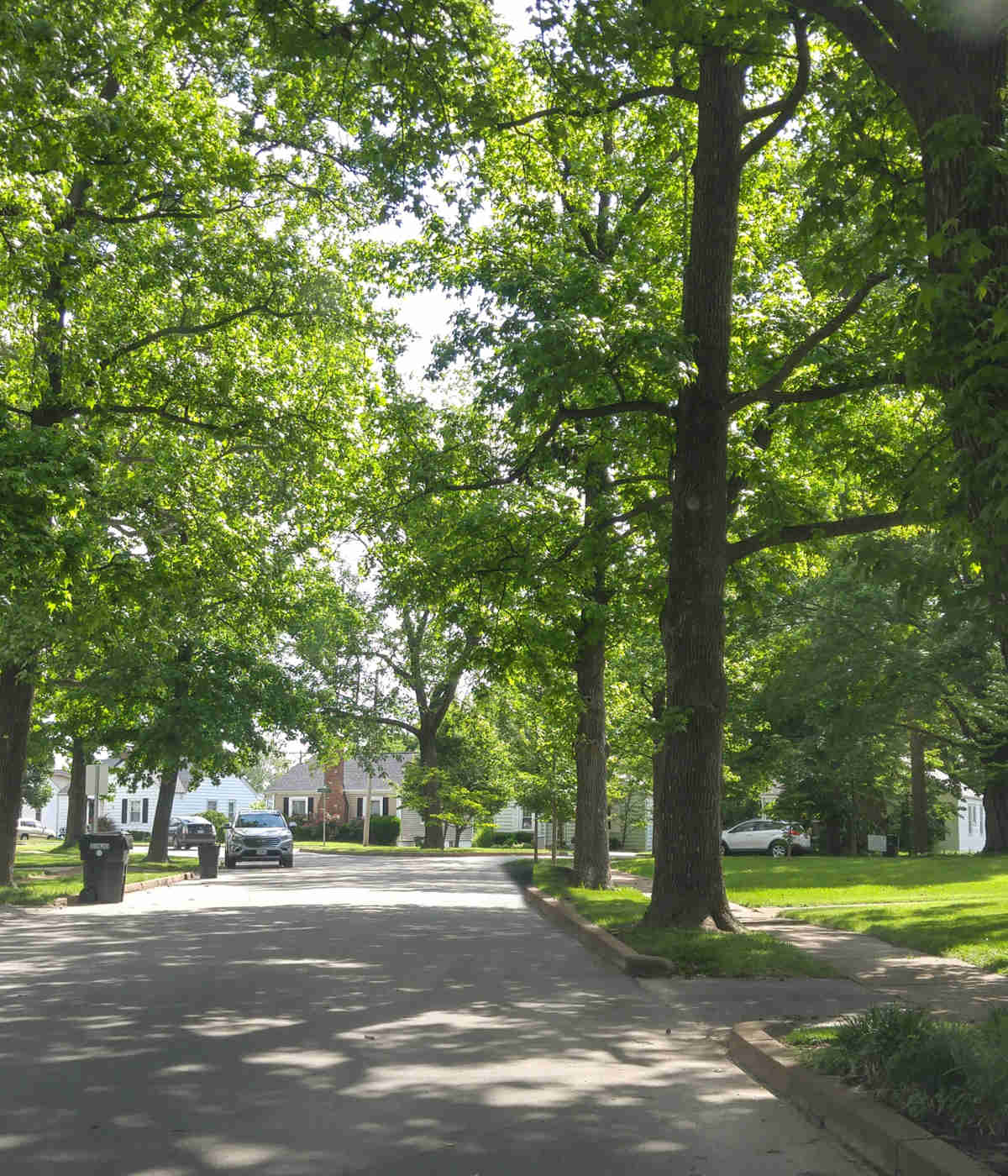
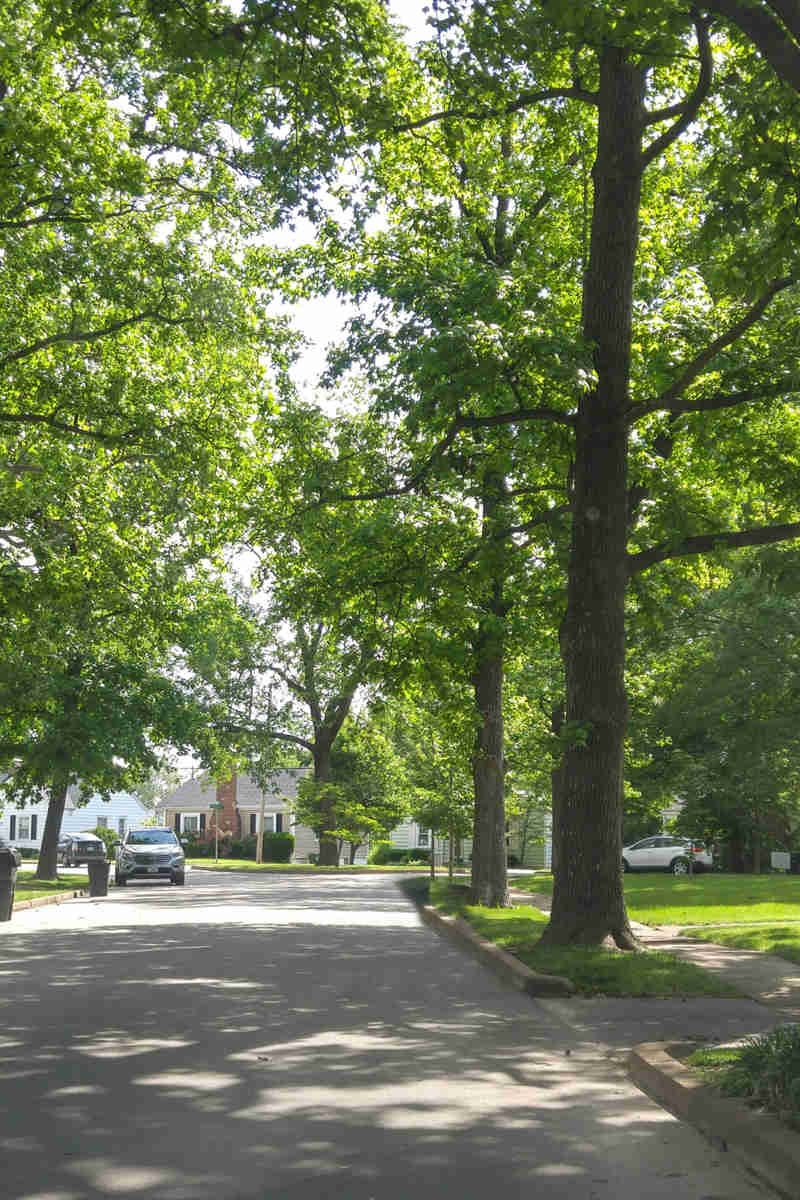
Every commercial property has unique storm vulnerabilities, such as location, soil type, tree canopy, and hardscape features.
The first step for a storm-ready commercial landscape is to get a professional landscape and tree risk assessment before spring.
A commercial landscape risk assessment includes looking out for:
- Mature or overextended trees near buildings and walkways
- Poor drainage zones and low-lying turf areas
- Slopes, retention ponds, and erosion-prone sites
Documented risk assessments can help with storm damage prevention by identifying where to invest in proactive care.
Proactive Tree & Plant Care To Reduce Storm Damage
A vital component of building storm-resistant landscapes is proactive care. Once an assessment identifies risks, preventive tree pruning and tree health inspections can help reduce costly damage and hazards.
Commercial tree care before spring should include structural pruning to improve wind resistance and reduce limb failure, and identifying trees weakened by pests, disease, or winter stress and treating them before storm season.
Plant selection and placement are also imperative to reduce storm damage:
- Native and adaptive species have deep root systems that stabilize soil, prevent erosion, and maximize water absorption to reduce leaning and flood risks
- Plants with good root structures bind soil together to prevent erosion during heavy rainfall, anchor plants into the ground to prevent them from falling during high winds, and help absorb water faster to reduce stormwater runoff.
Putting off pruning or removals often leads to higher emergency costs after storms. Make sure to schedule tree work before the spring rush!
Improving Commercial Drainage Solutions, Grading & Soil Health Before Heavy Spring Rains
Much like soil is the key to life in trees and plants, it’s also the key to preventing flooding and other drainage issues on commercial properties.
If a property's soil is too compacted or poorly graded, it can drain improperly, leading to severe flooding. Standing water, turf decline, and sediment runoff are common warning signs that your soil needs some work.
Here are some preventative solutions that can be done before the storm season:
- Drainage system inspection and cleanouts
- Soil remediation and aeration
- Bioswale, rain garden, and retention basin enhancements.
Water management for commercial properties goes beyond storm preparedness. Proper stormwater management, including erosion control, can help a commercial property remain in regulatory compliance while upholding sustainability initiatives.
Building a Spring Storm Preparedness Plan with Your Landscape Partner
Storm readiness is more than a checklist; it’s a plan that includes spring landscape preparation.
Strong emergency response planning includes:
- Service schedules based on priority zones to reduce property damage and safety risks
- Emergency response protocols that quickly clean up storm damage before it gets worse
- Budget forecasting to reduce surprise costs
Working with a single-source provider for commercial landscape maintenance planning, like Davey, ensures consistent documentation and faster response times.
Commercial Landscape Storm Preparedness: Spring FAQs
How can I prepare my commercial landscape for spring storms?
A risk assessment identifies a property’s unique storm vulnerabilities. With a documented assessment, a commercial property manager can identify where to invest proactive care.
What type of tree maintenance helps prevent storm damage on commercial properties?
Pruning helps increase wind resistance and reduce limb failure, while identifying trees weakened by pests, diseases, or winter stress reduces chances of total tree failure on a commercial property.
How do drainage issues increase storm damage risk for commercial landscapes?
If a commercial property's soil is too compacted or poorly graded, it can drain improperly, leading to severe flooding.
When should commercial properties schedule a storm readiness assessment?
Storm readiness assessments should happen before spring so commercial property managers can implement preventative measures before storm season hits.
DON’T WAIT FOR THE FIRST SPRING STORM TO REVEAL VULNERABILITIES