

Vegetation management is about more than controlling unwanted plants. Along roadsides, railways, utility corridors and other critical infrastructure, effective vegetation management helps improve visibility, support safe operations, reduce the spread of invasive species and maintain access to important assets.
To help address those challenges, Davey recently received a grant from the Ohio Department of Transportation to study ways to improve roadside herbicide application safety and versatility. The project reflects a long-standing Davey approach: applying science to solve practical problems.
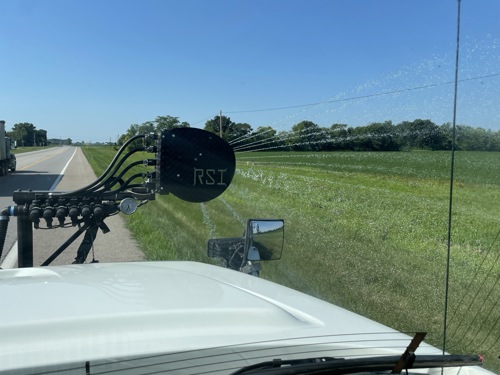
Roadside applications present unique challenges. Crews often work around traffic, changing weather conditions, uneven terrain and varying treatment areas. Those conditions can affect how well an application reaches its intended target.
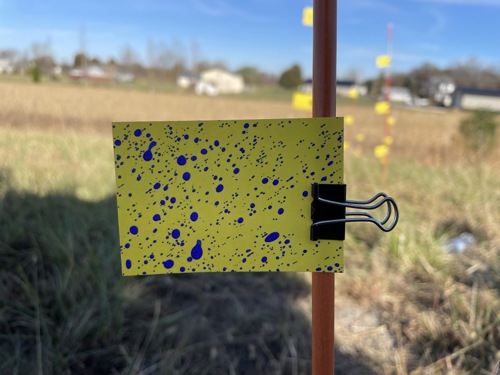
As part of the project, Davey evaluated different application methods and equipment configurations to better understand coverage and performance of boomless sprayers. Using water sensitive paper and digital analysis tools, the team measured where spray droplets landed and how effectively different boomless systems performed in real world conditions.
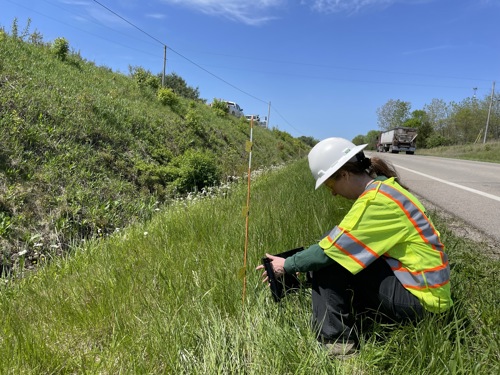
"Our goal is to take a real-world challenge and use science to find opportunities for improvement. Sometimes there is no single breakthrough. It is about making a series of small improvements that add up to safer, more effective operations," said Zane Raudenbush, manager of research operations, located at the SEED Campus.
The research identified opportunities to improve coverage, increase operational flexibility and enhance efficiency. The team also evaluated alternative equipment options that provided strong performance while remaining relatively simple to operate and maintain.
For transportation agencies, utility providers, rail operators and other vegetation management clients, those findings can support more effective programs and better use of resources.
The benefits can extend beyond individual projects. Reduced off target movement, improved application accuracy and safer operations all contribute to stronger outcomes for clients, employees and the communities they serve.
Progress in science is often the result of many small improvements rather than one major breakthrough. This project demonstrates how research can help uncover those opportunities and turn them into practical solutions that make vegetation management more effective, efficient, and responsible.


